Sourcing Epoxy Resin for Carbon Fiber: A Procurement Manager’s Guide
As the demand for high-performance composite materials continues to soar, particularly in industries seeking lightweight and strong solutions, epoxy resin for carbon fiber has become a critical component. Understanding how to effectively source this material is essential for procurement managers and sourcing specialists aiming to optimize both quality and cost. This guide outlines key considerations such as evaluating suppliers, necessary certifications, and understanding minimum order quantities and lead times, ensuring a successful procurement strategy.
For detailed specifications and sourcing options, refer to this comprehensive guide on epoxy resin for carbon fiber from China for more technical context.
Evaluating Suppliers for Epoxy Resin
Supplier Evaluation Criteria
When selecting suppliers for epoxy resin, it’s vital to consider their track record in the industry, customer reviews, and the range of products they offer. Seek suppliers with extensive experience in high-performance composites and a strong reputation for reliability. Evaluating suppliers should also include an assessment of their production capabilities and flexibility to meet both baseline and specialized customer requirements.
Quality Certifications
Quality assurance is non-negotiable in sourcing epoxy resin for carbon fiber. Ensure that potential suppliers hold essential certifications such as ISO 9001 for quality management systems. This certification indicates a robust commitment to product quality and consistency. Additionally, look for compliance with industry-specific standards like ISO 14125, which ensures the resin meets the necessary mechanical and structural properties for demanding applications.
Understanding MOQ and Lead Times
Minimum Order Quantities (MOQ)
MOQs can vary significantly among suppliers and understanding these thresholds is crucial in managing inventory and costs. Evaluate whether a supplier’s MOQ aligns with your procurement volume needs. Some suppliers may offer flexibility in MOQs for strategic partnerships or long-term contracts, which can be beneficial for optimizing inventory levels.
Lead Time Expectations
Lead times directly impact production schedules, making it essential to work with suppliers who can provide reliable delivery timelines. As a procurement manager, verify the supplier’s typical lead time and their ability to expedite orders if necessary. Establishing a clear communication channel with the supplier will aid in managing any potential disruptions.
Comparing Suppliers
Performance Metrics
Compare suppliers based on key performance metrics such as product quality, delivery reliability, and cost-effectiveness. Evaluate past performance data and customer feedback to gauge their capability to meet your quality standards and delivery schedules.
Cost Optimization Strategies
Cost considerations are pivotal. Analyze total cost implications, including shipping, tariffs, and potential import duties. Engage suppliers in discussions about bulk purchase discounts or long-term supply agreements to achieve cost savings. Consider whether local suppliers might offer reductions in shipping costs and lead times.
Identifying Red Flags in the Sourcing Process
Signs of a Weak Supplier
During the evaluation process, be wary of suppliers who cannot provide clear documentation of their quality certifications or have inconsistent communication practices. Additional red flags include unreasonably low pricing, which might indicate compromised quality, or suppliers with limited product information.
Risk Mitigation
To mitigate risks, consider performing a comprehensive audit of the supplier’s facilities and processes. Establish service level agreements (SLAs) that define quality expectations, delivery schedules, and penalties for non-compliance to safeguard your procurement goals.
Impact on Industry Applications
Epoxy Resin in Aerospace and Automotive
The aerospace and automotive sectors demand epoxy resin with high tensile strength and thermal stability. Procurement managers should prioritize suppliers that can demonstrate proven performance in these applications. Partnering with reputable companies like Impact Materials Co., Ltd. ensures access to high-quality epoxy resin tailored to these demanding applications.
Applications in Wind Energy
For wind turbine blades, the durability and environmental resistance of epoxy resin are critical. Selecting a supplier with a history of providing materials for wind energy applications ensures the performance and reliability of the finished products.
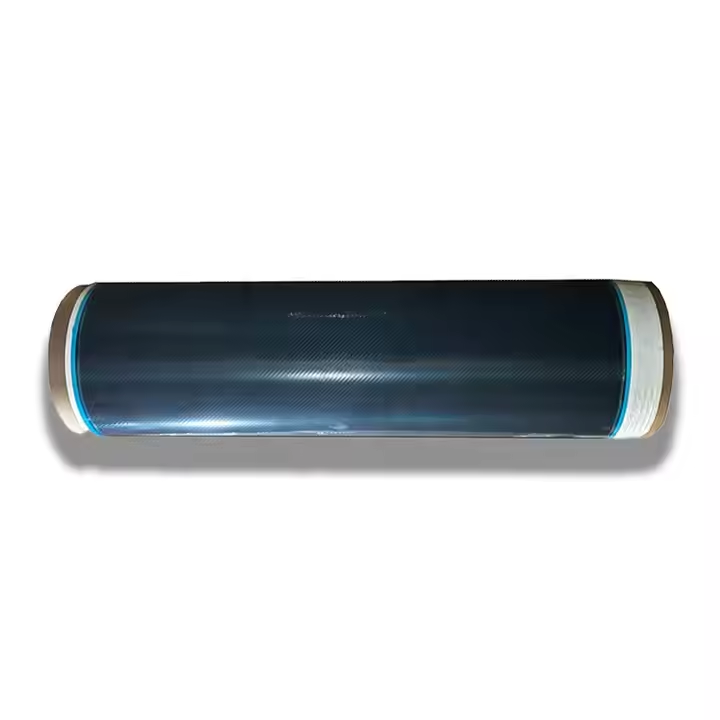
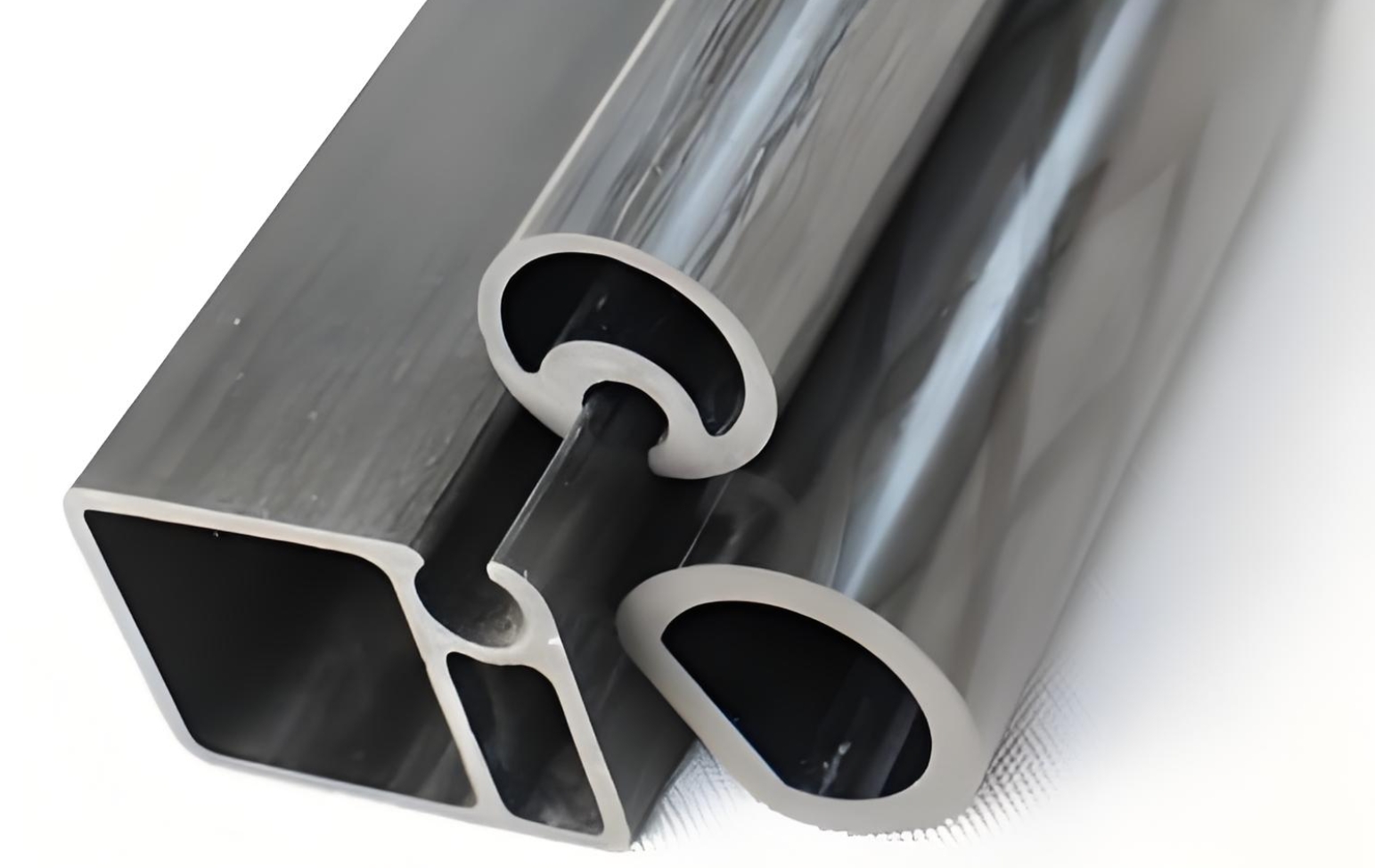
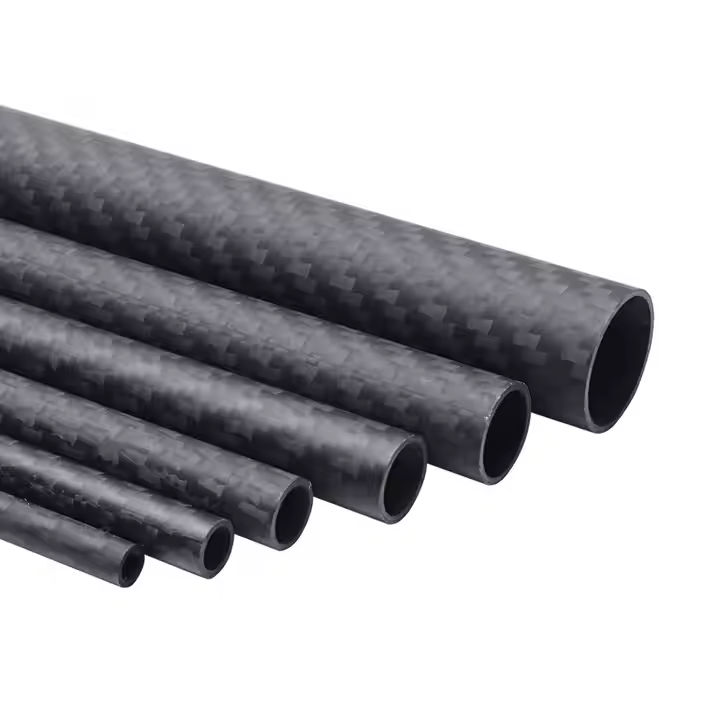
Featured Epoxy Resin For Carbon Fiber Products
Explore our top-rated epoxy resin for carbon fiber products from Impact Materials, trusted by manufacturers in over 120 countries.
Technical Specifications and Standards
Key Material Properties
- Tensile Strength: Up to 700 MPa
- Modulus of Elasticity: Approximately 70 GPa
- Elongation at Break: 1.5-2.5%
- Fiber Volume Fraction: 60%
These characteristics, compliant with ASTM D3039, confirm the material’s ability to withstand significant stress and are indispensable for applications subjected to high loads.
Compliance and Standards
Conforming to global standards like ISO 9001 assures consistent quality across the board. Ensure your potential suppliers demonstrate adherence to these standards, alongside sector-specific certifications.
| Property | Epoxy Resin | Polyester Resin |
|---|---|---|
| Tensile Strength (MPa) | 700 | 500 |
| Modulus of Elasticity (GPa) | 70 | 45 |
| Thermal Stability (°C) | 150 | 100 |
| Elongation (%) | 2.0 | 2.5 |
For more tailored solutions and expert guidance, visit Impact Materials for epoxy resin for carbon fiber solutions. They offer a comprehensive range of products and an in-depth understanding of industry needs, ensuring your procurement objectives are met efficiently.